

 手機版
手機版

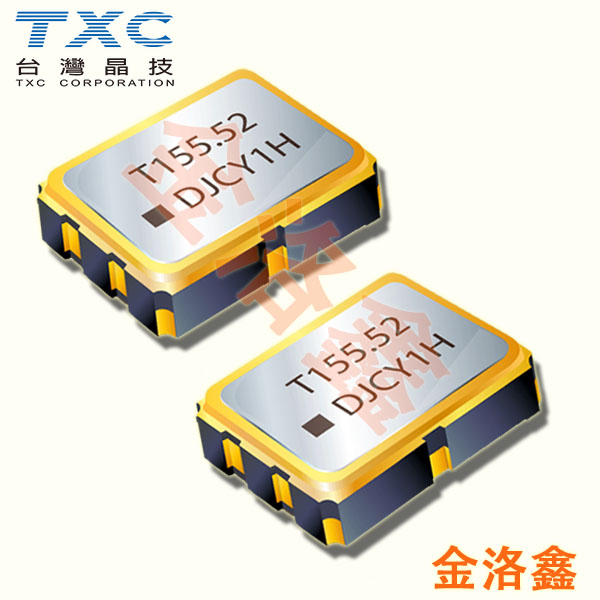
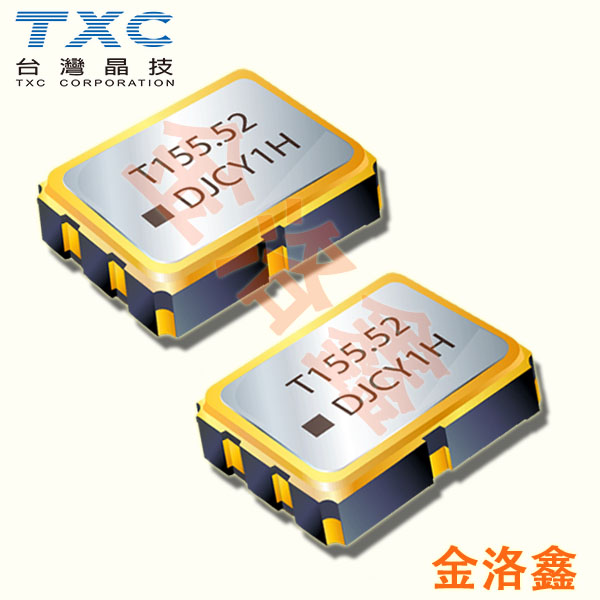
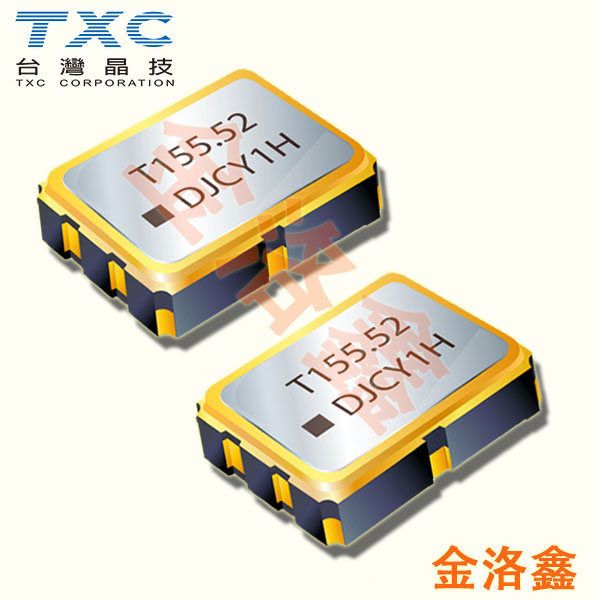
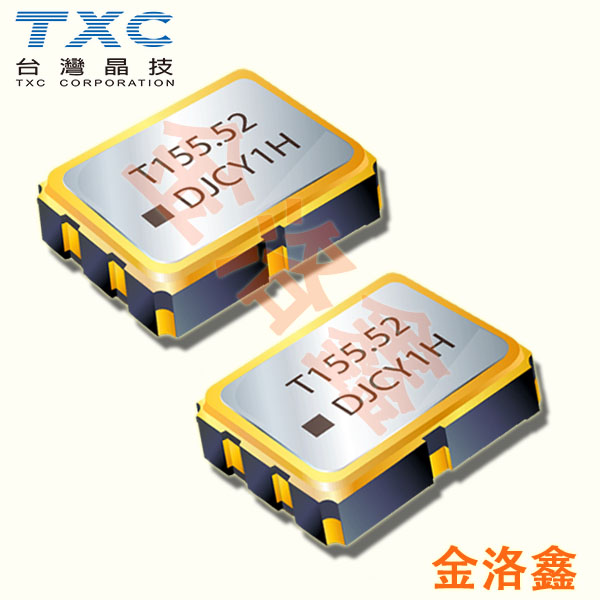
The role of CORE crystal oscillator in tram charger

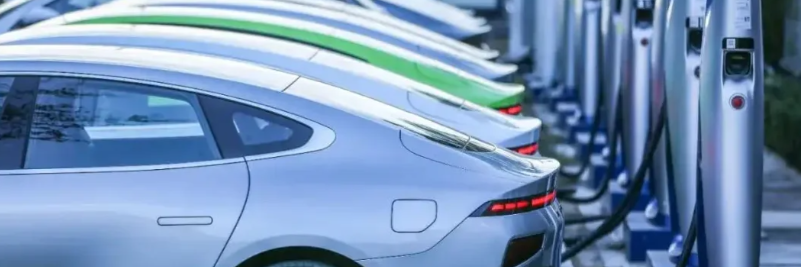
1. Charge control circuit - the core of the charger: At the core of each EV charger is the charge control circuit, which is responsible for monitoring and regulating the charging process. A quartz crystal oscillator operating at 16 MHz provides the precise timing necessary to control charge rates, monitor current and voltage levels, and manage battery status. The oscillator ensures that the charging process is efficient and safe for the vehicle battery.
2. Display and user interface - Providing information to the user: The user interface of the EV charger plays a key role in providing the user with information about the charging progress. A temperature compensated crystal oscillator (TCXO晶振) with a frequency of 32.768 kHz ensures stable and accurate timing for real-time updates showing charging progress, remaining time and user prompts. The temperature compensation function of TCXO thermotonic crystal oscillator maintains timing accuracy under different environmental conditions.
3. Communication modules - Seamless data exchange: Communication modules within EV chargers, such as Wi-Fi, cellular or Ethernet interfaces, require accurate timing for reliable data transmission. A voltage-controlled crystal oscillator (VCXO) operating at 25 MHz allows fine-tuning of the clock frequency, ensuring accurate communication between the charger and the external network. The oscillator optimizes data exchange and reduces errors in communication.
4. Timing for power conversion - improved efficiency and EMI control: Efficient power conversion is essential for converting alternating current from the grid into direct current suitable for charging EVs. The switching frequency of the power conversion module is controlled by a quartz crystal oscillator operating at 4 MHz. This precise timing optimizes energy efficiency and reduces electromagnetic interference (EMI) for cleaner operations.
5. Safety and protection systems - Rapid response to failures: Safety is of Paramount importance in EV charging systems. Temperature-compensated crystal oscillators operating at 10 kHz provide the accurate timing needed for safety-critical functions, such as overcurrent protection and ground fault detection. The oscillator ensures a fast response to fault conditions and improves the safety of the charging process.
6. Data recording and analysis - Capture usage patterns: Recording charging history and usage patterns has value for both users and operators. A quartz crystal oscillator set to 32.768 kHz timestamps events for data recording and analysis purposes. The oscillator helps accurately capture charging data, providing data-based insights for optimization.
7. Interaction with the grid and smart charging - high-precision synchronization: Advanced charging systems need to be precisely synchronized with the grid and other charging stations to achieve smart charging coordination. Thermostatic crystal oscillators (OCXO振蕩器) operating at 10 MHz provide highly stable timing. This precision ensures effective communication and coordination for optimal energy management.
8. Vehicle-to-grid (V2G) communication - Achieve two-way power flow: The V2G communication system achieves two-way power flow between EV and the grid. A voltage-controlled crystal oscillator set to 20 MHz allows fine-tuning of the clock frequency. The oscillator ensures accurate two-way energy exchange and synchronization, enabling seamless energy exchange.
Quartz crystal oscillators are the silent heroes of electric vehicle charging. They provide the precision and stability required for a wide range of components and applications within EV chargers, ensuring a safe, efficient and reliable charging experience. From controlling charging rates to facilitating data exchange and enabling smart charging, crystal oscillators play a key role in shaping the future of electric mobility.
“推薦閱讀”
- CTS晶振293系列操縱桿編碼器多領(lǐng)域控制的隱形冠軍
- 解鎖CTS-CS-BAX-20母線電流傳感的奧秘與應(yīng)用
- Microchip晶振SA15-28極端環(huán)境下關(guān)鍵任務(wù)的能量密碼
- Rakon全新GNSS接收器開啟新太空應(yīng)用的精準定位時代
- Rakon推出了新型超穩(wěn)定空間用OCXO挑戰(zhàn)微型原子鐘的計時新勢力
- SiTime憑借TimeFabric解鎖人工智能數(shù)據(jù)中心的性能密碼
- Skyworks時鐘緩沖器抖動與靈活的完美融合
- 衛(wèi)星隱形操控者CTS壓電執(zhí)行器的太空奇跡
- bliley晶振CMOS與LVCMOS如何選擇
- bliley射頻PCB設(shè)計避坑指南打造高性能電路板
【本文標簽】:The role of CORE crystal oscillator in tram charger
【責任編輯】:金洛鑫版權(quán)所有:http://www.sxncwy.com轉(zhuǎn)載請注明出處
【責任編輯】:金洛鑫版權(quán)所有:http://www.sxncwy.com轉(zhuǎn)載請注明出處
相關(guān)行業(yè)資訊
- 229系列按鈕開關(guān)兩輪車輛與工廠控制設(shè)備的可靠伙伴
- Renesas瑞薩晶振多核微控賦能開啟創(chuàng)新新篇
- 加密芯片賦能物聯(lián)網(wǎng)水泵傳感器的慈善新征程
- HR芯動力驅(qū)動瑞薩躋身全球前三半導(dǎo)體巨頭
- KVG晶振保護關(guān)鍵系統(tǒng)免受GNSS欺騙攻擊和干擾
- 利用MCP9604熱電偶調(diào)理芯片在極端環(huán)境下進行精確的溫度測量
- Skyworks新一代定時設(shè)備高速基礎(chǔ)設(shè)施的心跳起搏器
- 為何工程師們青睞TAITIEN節(jié)能型高精度振蕩器
- 計時新霸主XO517X如何征服極端環(huán)境
- Statek是高可靠性石英晶體與振蕩器領(lǐng)域的領(lǐng)航者